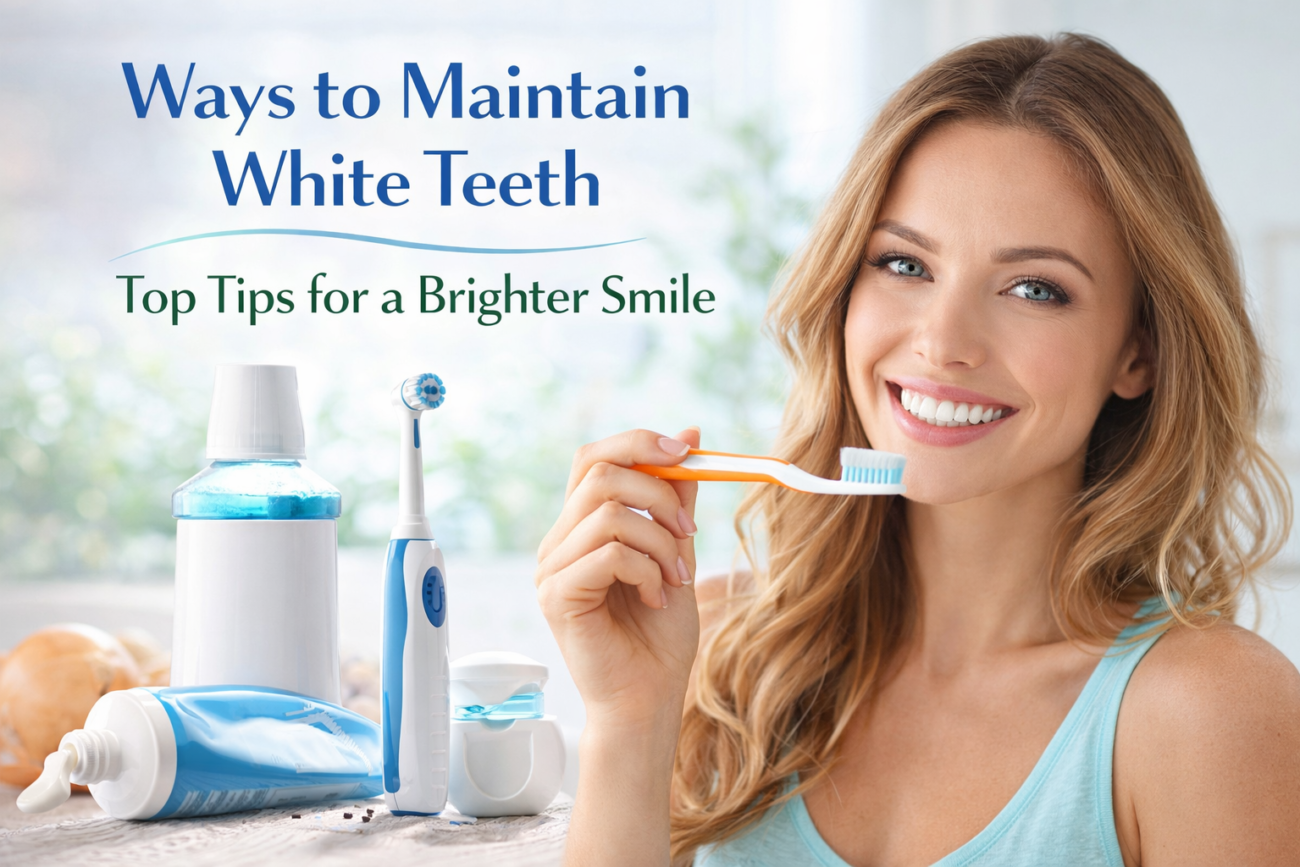
We all want that bright, confident smile — but with coffee, wine, and everyday life, it can feel like a constant battle. The good news? Maintaining white teeth doesn’t have to mean expensive dental visits or bleaching kits that make your teeth ache. Most of the best methods come down to simple, consistent habits you can start today. Here are 18 genuinely effective ways to keep your smile looking its best, all year long.
1: Brush Twice a Day — the Right Way
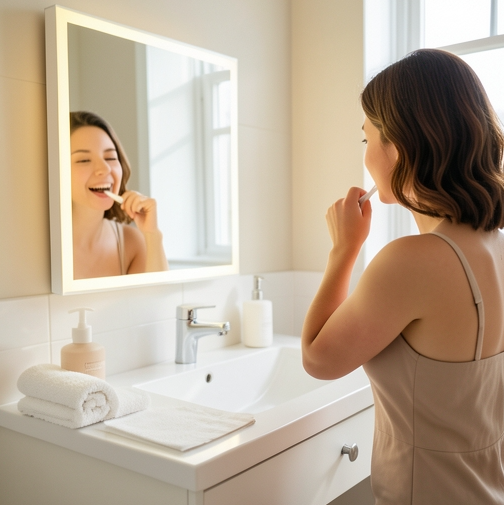
It sounds obvious, but most people are brushing incorrectly without realizing it. Use a soft-bristled toothbrush, hold it at a 45-degree angle to your gums, and use gentle circular motions rather than aggressive back-and-forth scrubbing. Brushing too hard actually wears down enamel over time, which makes teeth look more yellow — not less.
Make sure you’re brushing for a full two minutes, twice a day. Set a timer if you have to. Mornings and nights are non-negotiable, but if you can squeeze in a gentle brush after lunch too, your smile will thank you. Consistency here is genuinely the foundation of everything else on this list.
15 Best Tips to Prevent Split Ends and Grow Healthier Hair
2: Switch to a Whitening Toothpaste
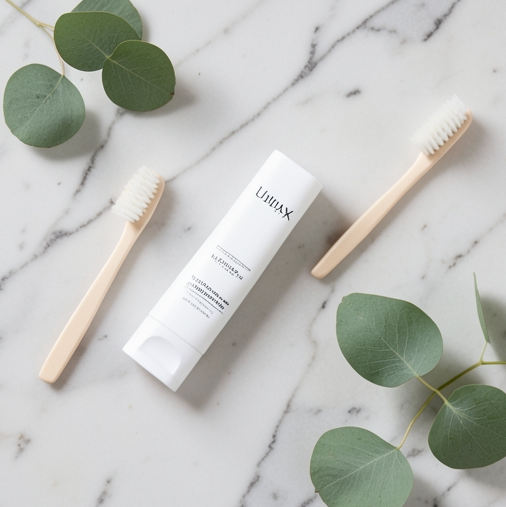
A good whitening toothpaste won’t dramatically bleach your teeth overnight, but used consistently, it makes a real difference. Look for formulas with ingredients like hydrogen peroxide, baking soda, or activated charcoal — these gently lift surface stains without stripping enamel when used as directed. Avoid anything overly abrasive if you have sensitivity.
The trick is patience. Give any whitening toothpaste at least four to six weeks before judging the results. Many people switch products too quickly and never let a single formula do its job. Stick with it, brush properly, and you’ll start to notice your teeth look noticeably cleaner and brighter.
3: Don’t Skip Flossing
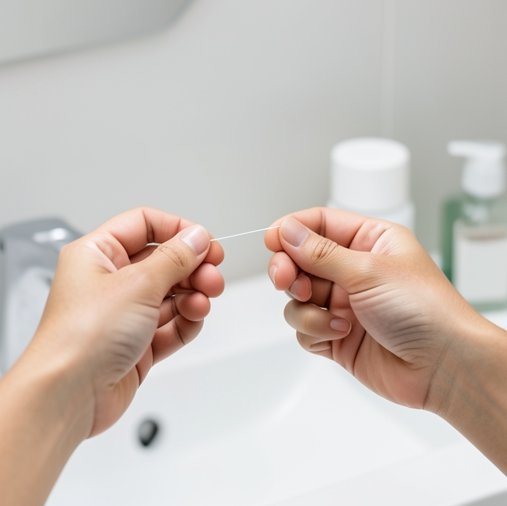
Flossing isn’t just for your gum health — it directly affects how white your smile looks. Food and plaque that get trapped between teeth can cause discoloration along the gumline and between teeth that no toothbrush can reach. That dingy look between teeth? Flossing regularly is often the fix people overlook completely.
Once a day is the minimum, and doing it before bed is most effective since you’re clearing everything out before it sits overnight. If traditional floss feels awkward, try floss picks or a water flosser — both work just as well and make the habit far easier to stick to in the long run.
18 Skincare Mistakes Most People Make (And How to Fix Them Fast)
4: Rinse with Mouthwash Daily
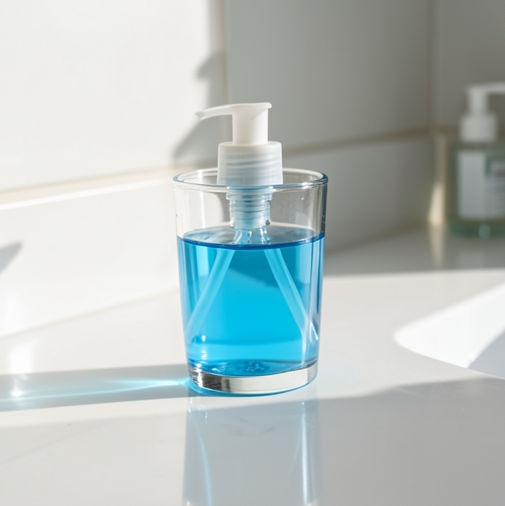
An antibacterial or whitening mouthwash adds a layer of protection that brushing alone can’t provide. It reaches every surface in your mouth, fights the bacteria that cause plaque buildup, and many formulas include gentle whitening agents that work between brushing sessions. Make it the last step of your night routine.
Choose an alcohol-free formula if you have sensitive teeth or dry mouth — alcohol-based rinses can actually increase sensitivity over time. Swish for the full 30 to 60 seconds the bottle recommends, and resist the urge to rinse with water right after. Let the active ingredients do their work.
5: Cut Back on Staining Drinks
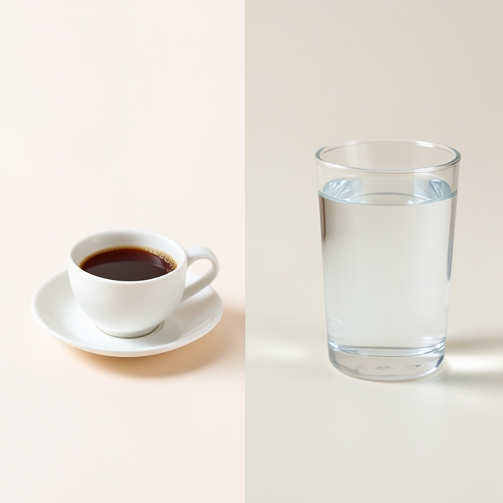
Coffee, tea, red wine, and dark sodas are the biggest culprits when it comes to tooth discoloration. Their deep pigments bind to enamel and build up over time, creating that stubborn yellowish stain that’s hard to shift. You don’t have to give them up completely — but being mindful about how often and how you consume them makes a huge difference.
A simple trick that works surprisingly well: drink staining beverages through a straw. This keeps the liquid from washing directly over your front teeth. Rinsing your mouth with water right after is another easy habit that limits how much pigment actually sticks. Small tweaks, consistent practice — that’s the whole game.
6: Eat More Crunchy Fruits and Vegetables
Nature’s toothbrushes — apples, celery, carrots, and cucumber — have a natural scrubbing action when you chew them. They help remove surface stains and stimulate saliva production, which is your mouth’s built-in cleaning and remineralizing system. Swapping out processed snacks for these not only helps your teeth, it’s good for your whole body.
Strawberries are worth a special mention. They contain malic acid, which is a natural enamel-safe whitening compound. Eating them regularly (or even rubbing a cut strawberry on your teeth occasionally) can gently brighten the surface over time. It’s not magic, but it’s a pleasant, zero-effort addition to your routine.
7: Drink More Water Throughout the Day
Water is your smile’s best friend. Drinking water after meals and throughout the day rinses away food particles, dilutes acids, and keeps your enamel from sitting in anything harmful for too long. If your only option after a meal is water, you’re already doing one of the best things you can for your teeth.
Fluoridated tap water adds another bonus — fluoride actively strengthens enamel, making teeth more resistant to staining and decay. Many people spend money on expensive supplements and treatments without realizing that simply drinking more tap water is doing real protective work. Aim for at least 8 glasses a day and your teeth will reflect it.
8: Limit Sugary and Acidic Foods
Sugar feeds the bacteria in your mouth that produce acid, and that acid erodes enamel — the outer layer that gives teeth their bright white appearance. Once enamel wears down, the yellower dentin beneath starts to show through. No whitening treatment in the world can compensate for ongoing enamel erosion from a high-sugar diet.
Acidic foods like citrus fruits, vinegar-based dressings, and soda are also worth watching. They’re not inherently bad, but consuming them frequently without rinsing your mouth afterward allows the acid to sit on your teeth. A simple rinse with water after acidic meals is one of the easiest protective habits you can build.
9: Try Oil Pulling
Oil pulling is an ancient practice that’s gained a serious following for good reason. Swishing a tablespoon of coconut oil in your mouth for 10 to 20 minutes pulls bacteria and debris from between teeth and along the gumline. Many people notice whiter-looking teeth and healthier gums within a few weeks of making it a morning ritual.
The key is doing it before you brush, on an empty stomach, and spitting it into the bin — not the sink, since coconut oil can solidify and clog drains. It won’t replace brushing, and the scientific evidence is still building, but the anecdotal results from consistent practice are hard to argue with. It’s low cost and very low risk.
10: Use Baking Soda as an Occasional Scrub
Baking soda is mildly abrasive and naturally alkaline, which makes it surprisingly effective at lifting surface stains and neutralizing acid. Mixing a small amount with water into a paste and using it to brush your teeth once or twice a week can visibly brighten your smile over time — and it’s one of the cheapest whitening options around.
The important word is “occasional.” Using baking soda daily can be too abrasive and wear down enamel over time. Think of it as a monthly deep clean rather than a daily substitute. Many dentists consider it safe for periodic use, and it’s genuinely one of the most accessible whitening tools in your kitchen cabinet.
11: Use Whitening Strips Correctly
Over-the-counter whitening strips can deliver real results when used as directed. They contain peroxide at a safe concentration and work by bleaching both surface stains and slightly deeper discoloration. Most people see noticeable results after one or two treatment cycles, especially for coffee and tea staining.
The most common mistake is using them too frequently or applying them to teeth that aren’t clean first. Always brush before applying strips, follow the timing instructions exactly, and give your teeth a proper break between treatment cycles. Overuse causes sensitivity and can damage enamel — patience and proper use is what makes them actually work.
12: Consider Hydrogen Peroxide Rinses
A diluted hydrogen peroxide rinse — typically a 1.5% to 3% solution mixed with equal parts water — is a dentist-recognized method for mild whitening and bacteria reduction. It’s the active ingredient in many commercial whitening products, and used correctly, it’s safe and effective for occasional use as a mouth rinse.
The key is dilution and moderation. Never use it at full strength, and limit your use to a few times a week rather than daily. Swish for about 60 seconds and spit completely — don’t swallow. If you notice increased sensitivity or gum irritation, dial back how often you use it. When used responsibly, it’s one of the more effective at-home whitening tools available.
13: Quit Smoking or Using Tobacco
Tobacco is one of the most aggressive staining agents there is. Nicotine and tar penetrate deep into enamel, creating yellow and brown discoloration that surface treatments struggle to reach. Smokers consistently have noticeably darker teeth than non-smokers, and the staining compounds significantly with time. No whitening routine fully overcomes active tobacco use.
If you’ve been on the fence about quitting for other reasons, the cosmetic impact on your smile is worth adding to that list. Most people who quit smoking notice their teeth begin to look noticeably cleaner within a few weeks — especially when they’re also maintaining good oral hygiene. The improvement is real and it’s permanent as long as you stay tobacco-free.
14: See Your Dentist Every Six Months
Professional cleanings remove tartar — calcified plaque — that brushing and flossing simply can’t touch. Tartar buildup causes a yellowish, dull appearance that home routines can’t fix. A dental hygienist uses specialized tools to remove it safely, and the result is teeth that look genuinely cleaner and brighter, not just superficially polished.
Regular visits also allow your dentist to catch early staining before it becomes deep-set, and to flag any concerns about enamel wear or gum health. Think of your six-month cleaning not as an optional extra but as the reset button for your entire oral care routine. Everything else you do at home works better on a clean baseline.
15: Wear a Night Guard if You Grind Your Teeth
Bruxism — grinding your teeth during sleep — wears down enamel faster than almost anything else. As enamel thins, teeth lose their natural brightness and take on a more translucent, yellowish appearance at the edges. If you wake up with jaw soreness or your dentist has mentioned wear patterns, a custom night guard can be genuinely protective.
Over-the-counter versions exist, but a custom-fitted guard from your dentist is far more comfortable and effective for long-term use. It’s an investment that protects your teeth from accelerated aging, sensitivity, and the kind of structural damage that’s expensive to fix. Protecting your enamel is one of the best whitening strategies there is, because enamel loss is irreversible.
16: Upgrade to an Electric Toothbrush
Studies consistently show that electric toothbrushes — especially oscillating-rotating models — remove significantly more plaque than manual brushing. Less plaque means fewer surface stains and healthier gums. The built-in timer takes the guesswork out of brushing long enough, and the pressure sensors on better models stop you from brushing too hard without realizing it.
You don’t need the most expensive model on the market to get the benefits. Mid-range electric toothbrushes from reputable brands deliver most of the same results. Once you switch, it’s genuinely hard to go back to a manual brush — your teeth feel cleaner, and over time you’ll notice the difference in brightness, especially along the gumline where staining tends to accumulate.
17: Use a Tongue Scraper
Your tongue harbors a significant amount of bacteria that contribute to plaque buildup on teeth. Using a tongue scraper each morning takes about ten seconds and removes the biofilm that builds up overnight — improving both your breath and the overall bacterial load in your mouth. Fewer bacteria means less acid, less staining, and healthier enamel long term.
A stainless steel scraper is more effective and more hygienic than a plastic one, and it lasts indefinitely. Run it gently from back to front three to five times, rinse, and you’re done. It’s one of those tiny additions to a morning routine that delivers disproportionate results — especially when combined with brushing, flossing, and rinsing consistently.
18: Protect Your Teeth from Sun and Dehydration
This one surprises people: UV exposure and chronic dehydration both affect oral health in ways that show up in your smile. When you’re dehydrated, saliva production drops — and saliva is your mouth’s natural defense against bacteria and acid. Without enough of it, staining compounds linger longer on your teeth and enamel is more vulnerable to damage.
Stay consistently hydrated and apply a lip balm with SPF if you spend time outdoors — it protects the lips from drying out and cracking, which in turn keeps moisture around the mouth. Hydration is the unsexy, invisible foundation of good oral health. It supports every other tip on this list by keeping your mouth’s natural protective mechanisms working properly.
Share this content:
