Starting a crafting blog can be a fun way to share your creativity while building a real income stream online. Many people who love DIY projects, handmade decor, sewing, painting, or paper crafts are turning their hobbies into profitable blogs. With the right strategy, you can create helpful content, attract readers, and earn money through ads, affiliate links, and digital products. The best part is that you don’t need to be a tech expert to get started.
Pinterest is one of the best platforms for growing a crafting blog because people visit it specifically to find inspiration and tutorials. When you create helpful blog posts paired with eye-catching pins, your content can bring traffic for months or even years. If you follow the steps below, you can build a crafting blog that not only inspires readers but also becomes a reliable source of income.
1. Choose a Craft Niche

The first step to starting a crafting blog is deciding what type of crafts you want to focus on. Crafting is a huge category, so choosing a niche helps your blog stand out and attract the right audience. Popular niches include DIY home decor, knitting, crochet, scrapbooking, woodworking, and paper crafts.
Picking a specific niche also makes it easier to build authority and create consistent content. When readers know exactly what your blog is about, they are more likely to follow you, trust your tutorials, and return for new ideas.
18 Best Part Time Night Jobs From Home That Actually Pay
2. Pick a Memorable Blog Name
Your blog name should be simple, memorable, and related to your crafting style. A good name helps people remember your brand and makes your blog look more professional from the beginning.
Try brainstorming words related to crafts, creativity, and handmade projects. Keep the name easy to spell and avoid anything too long or complicated so readers can find your site easily.
3. Buy a Domain and Hosting
Once you have a blog name, the next step is purchasing a domain and hosting service. Your domain is your website address, while hosting stores your blog files and makes them accessible online.
Reliable hosting ensures your blog loads quickly and stays online without issues. This step may sound technical, but most hosting providers offer simple setup tools that help beginners launch their blogs in minutes.
4. Install a Blogging Platform

After setting up hosting, you’ll need a platform to build and manage your blog. Most bloggers choose a content management system that allows them to publish posts, upload images, and customize their website design.
A good blogging platform makes it easy to organize your content, add new pages, and manage comments from readers. It also allows you to install helpful tools that improve the functionality of your site.
16 Apps That Pay You to Scan Receipts (Free Money!)
5. Design a Clean Blog Layout
Your blog design should be simple, clean, and easy to navigate. Visitors should immediately understand what your blog is about and quickly find your tutorials or project ideas.
Choose a layout that highlights your images because crafting blogs rely heavily on visual content. A clutter-free design helps readers focus on your projects and keeps them browsing longer.
6. Create Essential Pages
Before publishing blog posts, create a few essential pages that every blog needs. These pages help build trust with readers and make your website look professional.
Important pages include an About page, Contact page, and Privacy Policy. The About page tells your story, while the Contact page allows brands and readers to reach you easily.
7. Plan Your Content Strategy
A successful crafting blog needs a clear content plan. Think about what your audience wants to learn and create posts that provide helpful tutorials, ideas, and inspiration.
You can also create seasonal content such as holiday crafts, home decor projects, or gift ideas. Planning your content ahead of time helps you stay consistent and keeps your blog growing steadily.
8. Write Detailed Craft Tutorials
Craft tutorials are the heart of a crafting blog. Readers want clear instructions that guide them step-by-step through a project.
Include materials lists, detailed steps, and helpful tips that make the craft easier to complete. When your tutorials are easy to follow, readers are more likely to share your content and come back for more ideas.
9. Take High-Quality Photos
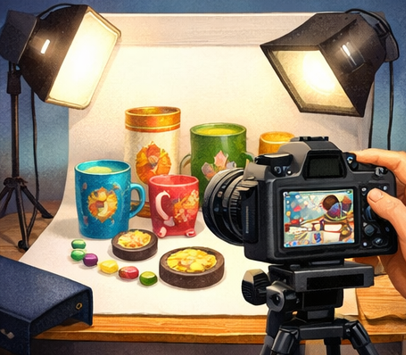
Beautiful photos make a huge difference for crafting blogs, especially when promoting content on Pinterest. Clear images help readers understand your project and make your tutorials more engaging.
Use natural lighting and simple backgrounds to make your crafts stand out. Good photography helps your blog look professional and increases the chances of your pins being shared.
18 Legit Ways to Get Paid to Test Products From Home
10. Use Pinterest to Drive Traffic
Pinterest is one of the most powerful traffic sources for crafting blogs. Millions of users search for DIY ideas, tutorials, and creative inspiration every day.
Create eye-catching pins for each blog post and use keyword-rich descriptions. Consistent pinning can bring steady traffic to your blog and help your content reach a larger audience.
11. Learn Basic SEO
Search engine optimization helps your blog appear in search results when people look for crafting tutorials online. Simple SEO practices can significantly increase your blog traffic.
Use clear titles, descriptive headings, and relevant keywords throughout your posts. Over time, these strategies help your blog gain visibility and attract readers from search engines.
12. Build an Email List
An email list allows you to stay connected with your readers even when they aren’t visiting your blog. It’s one of the most valuable tools for long-term blogging success.
Offer a free printable, craft guide, or project template in exchange for email sign-ups. This encourages visitors to subscribe and makes it easier to promote new blog posts or products.
13. Promote Your Blog on Social Media

Social media platforms can help you reach more people who love crafts. Sharing your projects regularly helps build a loyal audience around your blog.
Platforms like Pinterest, Instagram, and Facebook are especially helpful for visual content. By consistently sharing your work, you can attract new readers and grow your blog faster.
14. Join Crafting Communities
Online crafting communities are great places to connect with people who share your interests. Participating in these groups can help you learn new ideas and promote your blog naturally.
Commenting on other blogs, joining crafting forums, or participating in DIY groups helps build relationships with fellow creators and potential readers.
15. Start Using Affiliate Marketing
Affiliate marketing is one of the easiest ways to start making money from your crafting blog. You can recommend crafting tools, supplies, or kits that you already use.
When readers click your links and purchase those products, you earn a small commission. This allows you to monetize your blog while still providing helpful recommendations.
16. Display Ads on Your Blog

Blogging ads can generate passive income as your traffic grows. Once your blog receives consistent visitors, you can join ad networks that pay you for views or clicks.
Ads are a simple way to earn money because they generate income automatically. As your audience increases, your ad earnings can grow as well.
17. Sell Digital Craft Products
Digital products are perfect for crafting bloggers because they require no shipping or inventory. You can create printable templates, craft patterns, or step-by-step guides.
Once your product is created, it can be sold repeatedly with minimal effort. This makes digital products one of the most scalable ways to earn money from a blog.
18. Offer Online Craft Courses
If you become known for a particular craft, you can create an online course teaching your skills. Courses allow you to provide more in-depth guidance than a regular blog post.
Many readers are willing to pay for structured lessons that help them improve their crafting abilities. This can become a powerful income stream as your blog grows.
19. Work With Craft Brands
Craft brands often collaborate with bloggers to promote their products. These partnerships can include sponsored posts, product reviews, or tutorial collaborations.
Working with brands not only provides income but also helps expand your reach. As your blog gains authority, more companies may approach you for partnerships.
20. Stay Consistent and Keep Creating
Building a profitable crafting blog takes time, patience, and consistency. The more helpful content you publish, the more opportunities you create for traffic and income.
Keep experimenting with new craft ideas, seasonal projects, and creative tutorials. Over time, your blog can grow into a valuable platform that inspires readers while generating steady income.
Share this content:
