
If rent is eating up most of your paycheck, you’re not alone. The good news? You don’t have to pack boxes and move across town to lower your housing costs. With a few smart strategies, you can reduce what you pay each month and keep more cash in your pocket — even on a tight budget. Here are 19 genius ways to save money on rent without moving.
1. Negotiate Your Rent

Most renters never ask for a lower rate — but landlords often expect negotiation. If you’ve been a reliable tenant who pays on time and takes care of the property, you have leverage. A simple conversation could lead to a rent freeze or small reduction.
Come prepared with proof of similar listings in your area that are priced lower. Showing that you’ve done your research makes you look serious and professional, increasing your chances of success.
2. Sign a Longer Lease
Landlords love stability. Offering to sign a longer lease (like 18 or 24 months) can give them peace of mind — and give you bargaining power.
In exchange for security, many landlords are willing to lower the monthly rent or keep it from increasing. It’s a win-win if you plan to stay put anyway.
3. Offer to Pay Early
If your finances allow, suggest paying rent a few days early each month. Reliable cash flow is valuable to landlords.
You can even propose a small discount in exchange for consistent early payments. It may not seem like much, but over a year, it adds up.
4. Get a Roommate

Adding a roommate is one of the fastest ways to cut rent in half without moving. Even temporarily sharing your space can dramatically lower your housing cost.
If you have a spare room or even a flexible living area, consider splitting costs with someone trustworthy. Just make sure to update your lease if required.
5. Rent Out Extra Space
Have an unused parking spot, storage unit, or garage? You might be able to rent it out separately (with landlord approval).
Small side rental income from space you’re not using can offset part of your rent without changing your living situation.
6. Reduce Utility Costs
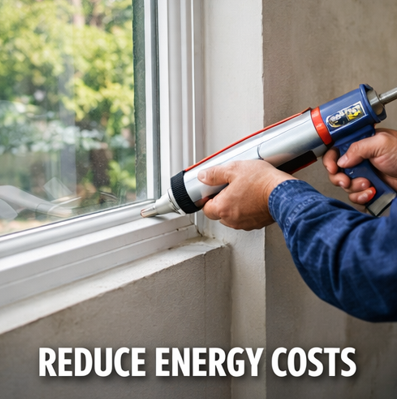
Sometimes “rent” includes utilities — and sometimes it doesn’t. Lowering electricity, water, and gas usage reduces your total housing cost.
Switch to LED bulbs, unplug unused electronics, and be mindful of heating and cooling. These small changes can trim dozens off your monthly bills.
7. Ask for Repairs in Exchange for Credit
If you’re handy, offer to handle small repairs or maintenance tasks in exchange for rent credit.
Landlords often appreciate proactive tenants. Just be sure any agreement is written and approved beforehand.
8. Refer New Tenants
If your building has vacancies, ask your landlord if they offer referral bonuses. Some property managers reward tenants who help fill empty units.
That bonus could cover part of a month’s rent — easy money for simply spreading the word.
9. Look for Rent Assistance Programs
Many cities and nonprofits offer rental relief programs, especially during economic downturns.
Even short-term assistance can ease financial pressure and help you build savings without relocating.
10. Split Internet with a Neighbor
If possible, share Wi-Fi with a trusted neighbor and split the cost. Internet bills can be surprisingly high.
Cutting this expense in half reduces your overall housing spending without sacrificing convenience.
11. Downgrade Amenities
If your building charges extra for parking, gym access, or storage, consider removing what you don’t truly use.
Eliminating unnecessary add-ons can lower your monthly payment without changing apartments.
12. Offer Automatic Payments
Setting up automatic bank transfers ensures your landlord gets paid on time every month.
In return, you can ask for a small rent discount. Some landlords value guaranteed payments enough to agree.
13. Sublease Temporarily

If your lease allows it, sublease your place for short periods when you travel or stay with family.
Even renting it out for a few weeks could offset part of your monthly rent.
14. Renegotiate at Renewal Time
The best time to negotiate is before renewing your lease. Research local rent prices and prepare your case.
If nearby listings are lower, show proof and politely request a price adjustment.
15. Improve Your Tenant Value
Being the “ideal tenant” increases your negotiation power. Pay on time, communicate clearly, and maintain the property.
Landlords would rather keep a good tenant than risk vacancy, cleaning costs, and advertising fees.
16. Bundle Rent and Services
If you rent from a large property manager, ask if they offer bundle deals for services like parking or storage.
Combining services may lower your total monthly expense compared to paying separately.
17. Take Advantage of Promotions

Some buildings offer seasonal discounts or renewal bonuses.
Keep an eye out for special offers and ask directly — you might qualify without realizing it.
18. Improve Energy Efficiency
Use draft stoppers, blackout curtains, and weather stripping to reduce heating and cooling costs.
Lower energy bills effectively reduce your overall housing cost each month.
19. Review Your Lease Carefully
Sometimes savings are hidden in plain sight. Review your lease for fees you may not need to pay or services you can opt out of.
Understanding your contract fully helps you avoid unnecessary charges and maximize every dollar.
Final Thoughts
Saving money on rent doesn’t always require moving to a cheaper place. With negotiation, creativity, and a little effort, you can reduce your housing costs right where you are. Even saving $50–$100 a month makes a big difference over time.
Start with one or two strategies that feel easiest for you. Small actions today can create serious financial breathing room tomorrow — and that’s a smart move no matter your income level.
Share this content:
