
Being a student often means balancing big dreams with a small budget. Between tuition, textbooks, rent, food, and social life, money can disappear fast. The good news? You don’t need a high income to build smart financial habits. With the right strategies, you can stretch every dollar further and reduce stress while focusing on your studies.
If you found this on Pinterest, you’re probably looking for practical, easy-to-follow advice you can actually use. These smart money-saving tips are simple, realistic, and designed specifically for student life—so you can save more, spend smarter, and feel confident about your finances.
1. Create a Simple Monthly Budget
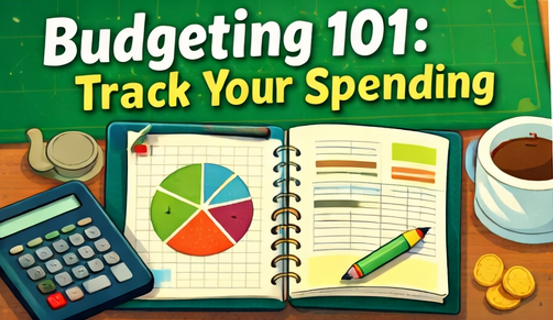
A budget isn’t about restricting yourself—it’s about knowing where your money goes. Start by listing your fixed expenses like rent, tuition payments, subscriptions, and transport. Then estimate variable costs like groceries and entertainment. Even a basic spreadsheet or budgeting app can make a big difference.
When you track your spending, you’ll notice patterns you didn’t see before. Maybe you’re overspending on takeout or online shopping. Once you see it clearly, it becomes easier to adjust and save without feeling deprived.
2. Buy or Rent Used Textbooks

Textbooks can cost hundreds of dollars each semester. Before buying new, check used bookstores, online marketplaces, or campus groups. Renting textbooks can also cut costs dramatically.
You can also share books with classmates or use library reserve copies. A little research before the semester starts can save you more than you expect.
3. Take Advantage of Student Discounts
Many brands offer student discounts—you just have to ask. From tech and software to clothing and streaming services, student pricing is everywhere.
Always carry your student ID and check websites for student offers before making a purchase. These small discounts add up over time.
4. Cook at Home More Often

Eating out regularly drains your budget faster than almost anything else. Cooking at home, even just a few simple meals per week, can significantly reduce expenses.
Meal planning makes grocery shopping more efficient and prevents food waste. Batch cooking and freezing meals also saves time and money.
5. Use Public Transportation or Carpool

Owning and maintaining a car is expensive. Gas, insurance, parking, and repairs quickly add up. If possible, use public transportation, bike, or walk.
If you need a ride, carpooling with friends can split costs and make commuting more affordable.
Also Read: 15 Payment Methods That Actually Help You Stick to a Budget
6. Apply for Scholarships and Grants
Many students stop applying for scholarships after their first year—but that’s a mistake. There are scholarships available for all years of study and various interests.
Spend time each semester searching and applying. Even smaller awards can reduce your financial burden significantly.
7. Avoid Impulse Purchases

Impulse buying is one of the biggest budget killers. When you feel tempted to buy something non-essential, wait 24 hours before deciding.
Often, the urge fades. If it doesn’t, you’ll know it’s something you truly value rather than a spontaneous expense.
8. Buy Generic Brands
Store-brand products are often just as good as name brands but cost less. This is especially true for groceries, cleaning supplies, and basic household items.
Comparing unit prices instead of brand names helps you make smarter purchasing decisions every time you shop.
9. Limit Subscription Services
Streaming platforms, apps, and memberships can quietly drain your bank account each month. Review your subscriptions regularly and cancel anything you rarely use.
Consider sharing plans with family or roommates when allowed. Cutting even two or three subscriptions can free up extra cash.
10. Use Cashback and Reward Apps
Cashback apps and student reward programs give you money back on purchases you’re already making.
While they won’t make you rich, they’re an easy way to save a little extra without changing your spending habits too much.
11. Set Savings Goals
Saving is easier when you have a clear goal. Whether it’s an emergency fund, travel, or a new laptop, define what you’re saving for.
Break the goal into small monthly targets. Watching your savings grow keeps you motivated and focused.
12. Find a Part-Time or Flexible Job
A campus job or freelance gig can help cover daily expenses without overwhelming your schedule.
Look for flexible positions that prioritize academics. Even a few extra hours a week can ease financial pressure.
13. Sell Items You No Longer Use
Clothes, electronics, and textbooks you don’t use anymore can be turned into cash.
Online marketplaces and campus groups make it easy to sell gently used items and declutter at the same time.
14. Avoid Credit Card Debt
Credit cards can be helpful—but only if used responsibly. Avoid carrying a balance whenever possible, as interest charges grow quickly.
If you do use a credit card, treat it like a debit card and only spend what you can fully repay each month.
15. Use the Library and Free Campus Resources

Your campus offers more free resources than you might realize—printing, software, tutoring, gym access, and events.
Taking advantage of what you already pay for through tuition reduces the need to spend extra elsewhere.
16. Plan Social Activities on a Budget
Having fun doesn’t have to be expensive. Movie nights, potlucks, game nights, or outdoor activities are budget-friendly alternatives to costly outings.
Suggest affordable plans to friends—you’ll likely find they’re trying to save money too.
17. Track Small Daily Expenses
Daily coffee, snacks, and small purchases may seem harmless, but they add up quickly.
By monitoring these small expenses, you can decide which ones truly matter and cut back where needed.
18. Build an Emergency Fund
Unexpected expenses happen—medical bills, repairs, or last-minute travel. Having even a small emergency fund reduces stress.
Start small and aim for at least one month of basic expenses over time.
19. Shop Off-Season
Buy winter clothes in spring and summer items in fall when prices are discounted.
Planning purchases ahead saves significantly compared to buying at peak season.
20. Compare Prices Before Buying
Never settle for the first price you see. Compare across websites and stores to find better deals.
Price comparison tools and browser extensions make this process fast and easy.
21. Use Free Trials Carefully
Free trials can be useful—but only if you remember to cancel before charges begin.
Set reminders on your phone to avoid unexpected subscription fees.
22. Live with Roommates
Splitting rent, utilities, and groceries with roommates dramatically lowers living expenses.
Choose roommates wisely to avoid conflicts that could cost more in the long run.
23. Focus on Long-Term Financial Habits
The habits you build as a student will shape your financial future. Learning to budget, save, and spend intentionally now sets you up for long-term stability.
You don’t need to be perfect—just consistent. Small, smart choices made daily can transform your financial life over time.
Saving money as a student isn’t about sacrificing your happiness—it’s about creating balance. By applying even a few of these tips, you’ll feel more in control of your finances and less stressed about money. Start small, stay consistent, and remember: smart financial habits today create freedom tomorrow.
Share this content:
