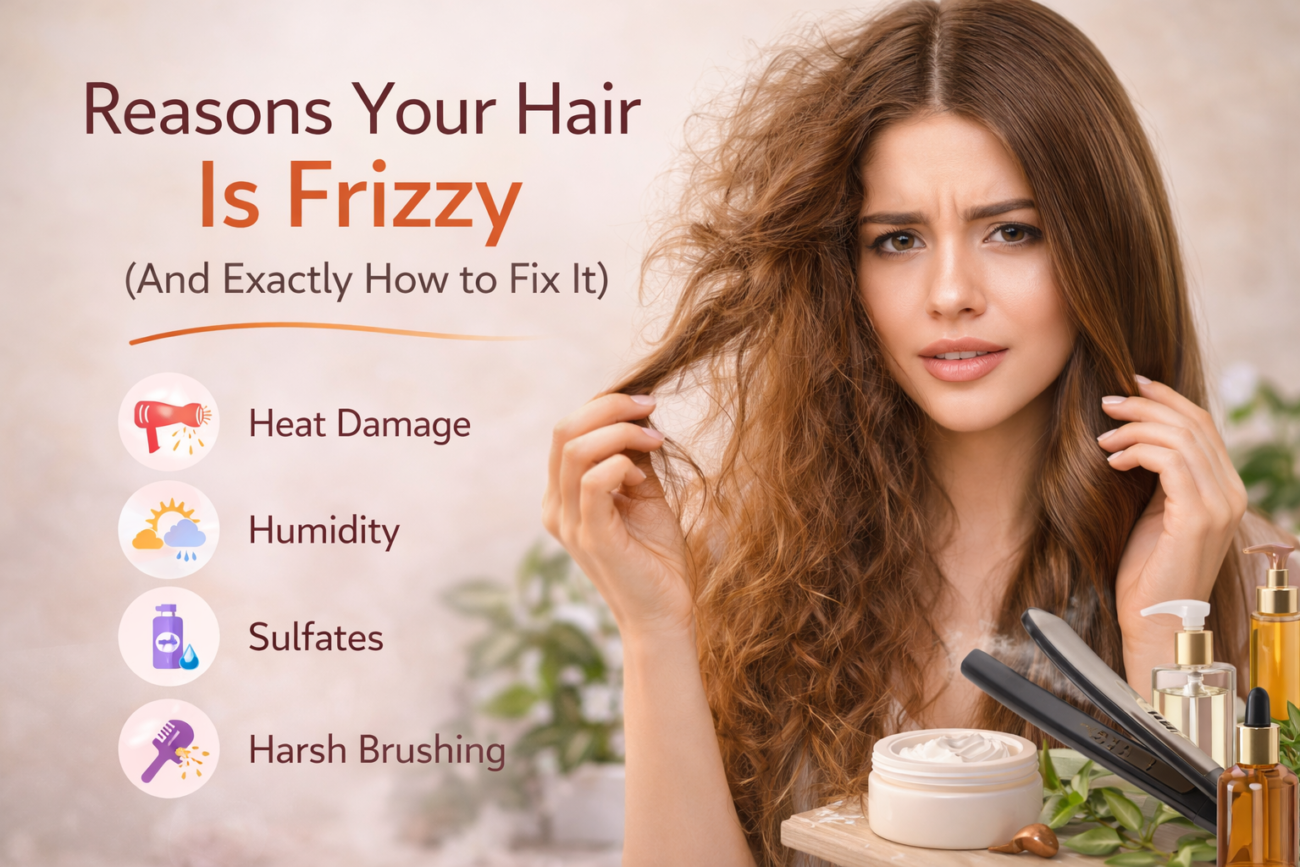
Frizz can turn even the best hair day into a struggle. Whether your hair is naturally wavy, curly, or straight, frizz usually shows up when your strands are craving moisture, care, or the right routine. The good news? Once you understand why your hair is frizzy, fixing it becomes so much easier.
Below are 23 real reasons your hair might be frizzy—plus exactly how to smooth things out and get that soft, shiny finish you’ve been dreaming of.
1. Lack of Moisture
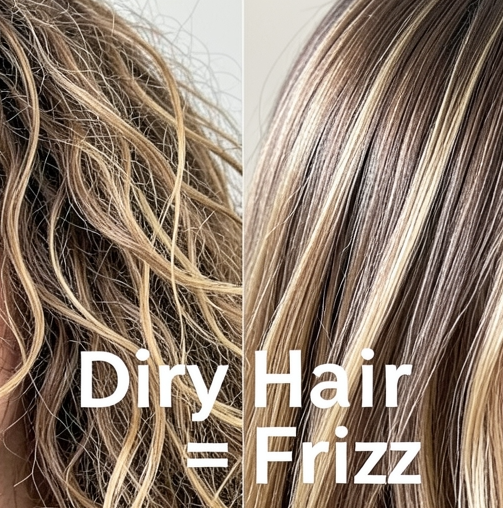
Dry hair is the number one cause of frizz. When your strands are thirsty, they pull moisture from the air, causing the cuticle to swell and create that fuzzy look.
To fix this, switch to a hydrating shampoo and conditioner and add a deep conditioning mask once a week. Look for ingredients like argan oil, shea butter, or coconut oil to restore softness.
20 Frizzy Hair Remedies You Need to Try Right Now
2. Overwashing Your Hair
Washing your hair too often strips away natural oils that keep it smooth and protected. This leaves your hair dry and prone to frizz.
Try washing your hair 2–3 times a week instead. On off days, use a lightweight dry shampoo to keep your scalp fresh without drying out your strands.
3. Using the Wrong Shampoo
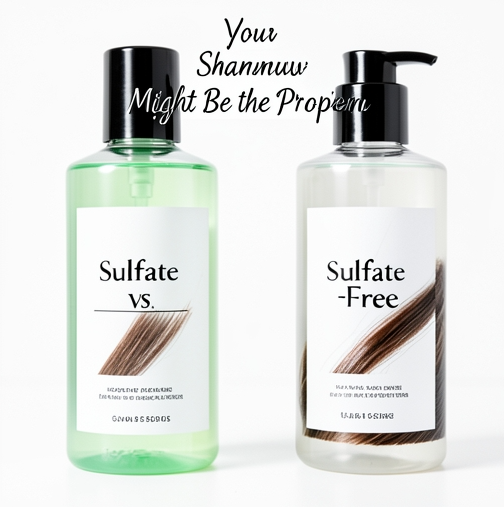
Harsh shampoos with sulfates can damage the hair cuticle, making it rough and frizzy. Many people don’t realize their shampoo is the root of the problem.
Switch to a sulfate-free formula designed for hydration or frizz control. Your hair will feel smoother and more manageable after just a few washes.
4. Skipping Conditioner
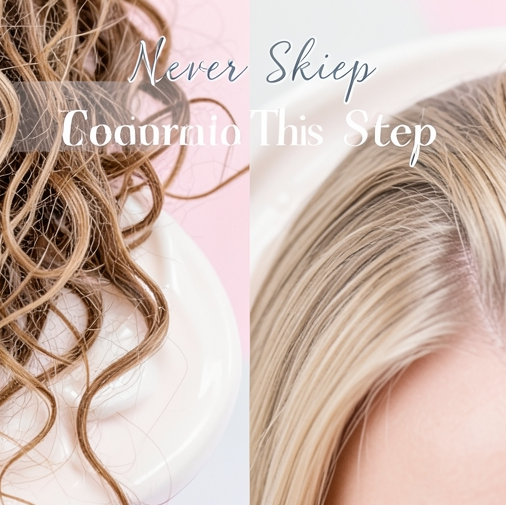
Conditioner is essential for sealing the hair cuticle and locking in moisture. Skipping it leaves your hair exposed and rough.
Always condition your hair, focusing on the mid-lengths and ends. For extra frizz control, try a leave-in conditioner after washing.
5. Heat Styling Damage
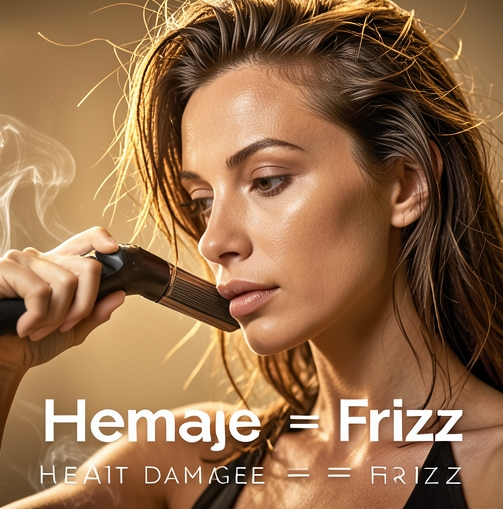
Frequent use of straighteners, curling irons, or blow dryers can weaken your hair and cause frizz over time.
Reduce heat styling and always use a heat protectant spray. When possible, let your hair air dry or use low-heat settings.
6. Humidity
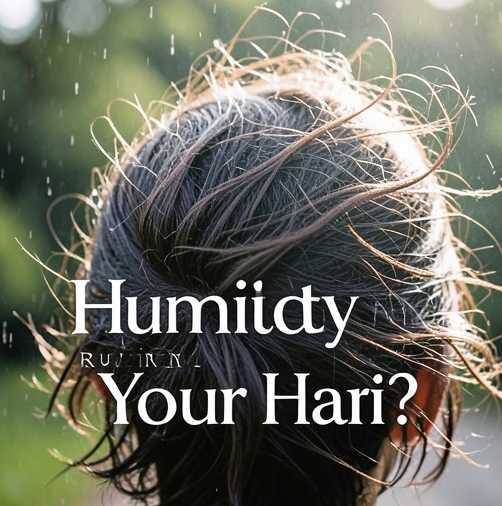
Humidity is a major frizz trigger because it adds moisture to your hair in an uncontrolled way, causing strands to swell.
Use anti-humidity serums or creams to create a barrier. Hairstyles like braids or buns can also help control frizz on humid days.
7. Towel Drying Too Roughly
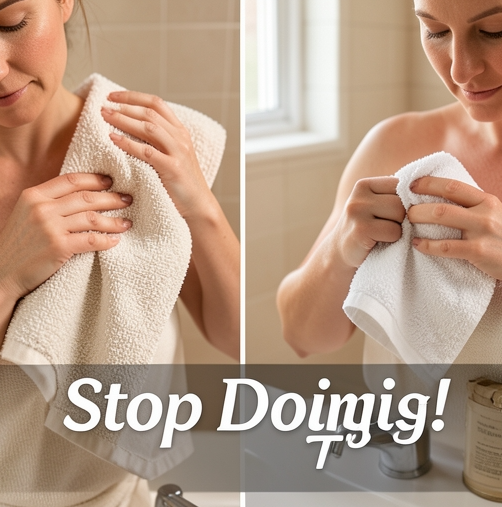
Rubbing your hair with a regular towel creates friction, which lifts the cuticle and leads to frizz.
Instead, gently squeeze out excess water using a microfiber towel or a cotton T-shirt. This reduces friction and keeps hair smooth.
8. Brushing Wet Hair Incorrectly
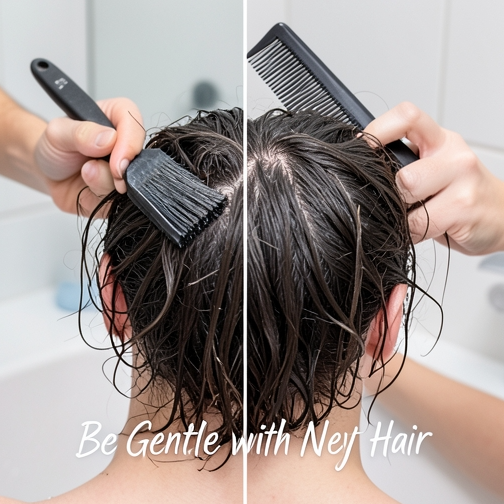
Wet hair is more fragile, and brushing it aggressively can cause breakage and frizz.
Use a wide-tooth comb or a detangling brush, starting from the ends and working your way up slowly.
9. Not Using Leave-In Products
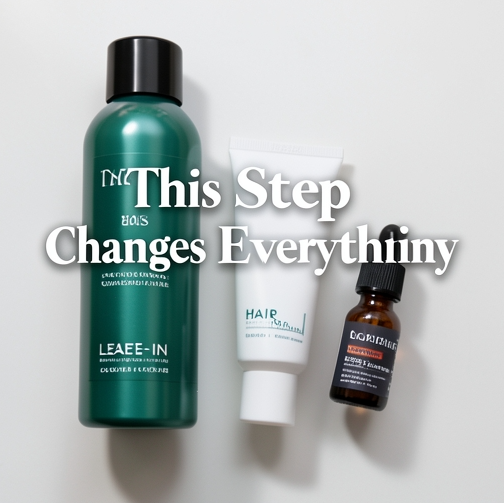
Without leave-in products, your hair lacks the extra layer of protection it needs throughout the day.
Apply a leave-in conditioner or smoothing cream to damp hair to lock in moisture and keep frizz under control.
10. Split Ends
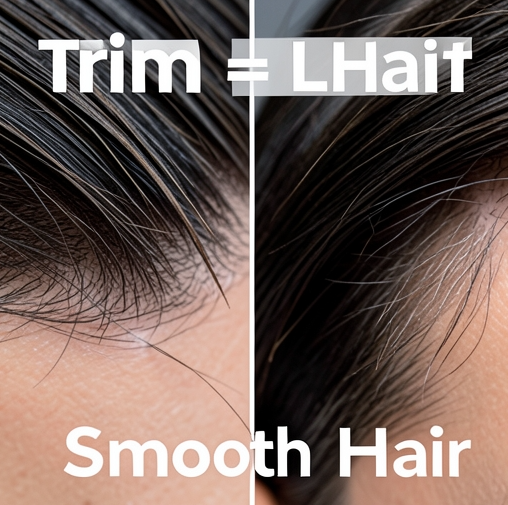
Split ends make your hair look frizzy and unhealthy, even if the rest of your hair is in good condition.
Trim your hair every 6–8 weeks to keep ends smooth and prevent splits from traveling up the shaft.
11. Using Too Much Heat Without Protection
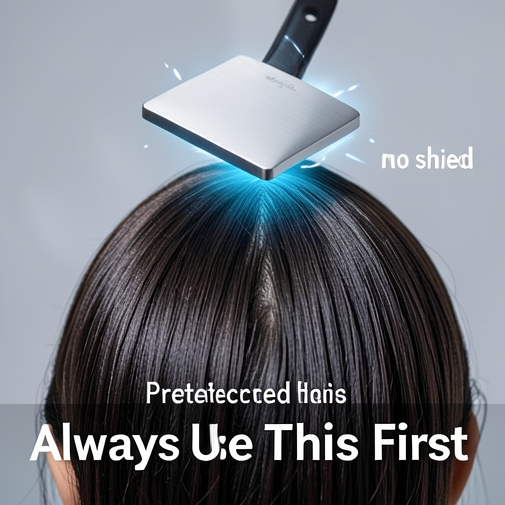
Heat without protection strips moisture and damages the cuticle, leading to chronic frizz.
Always apply a heat protectant before styling. It acts as a barrier and helps maintain your hair’s natural shine.
12. Sleeping on Cotton Pillowcases
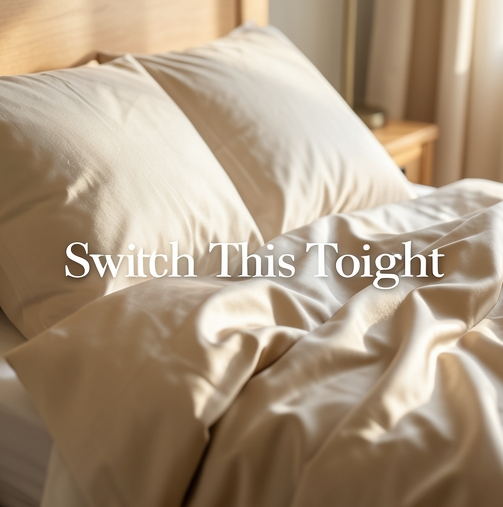
Cotton pillowcases can cause friction while you sleep, leading to frizz and tangles.
Switch to a silk or satin pillowcase to reduce friction and wake up with smoother hair.
13. Lack of Hair Oil
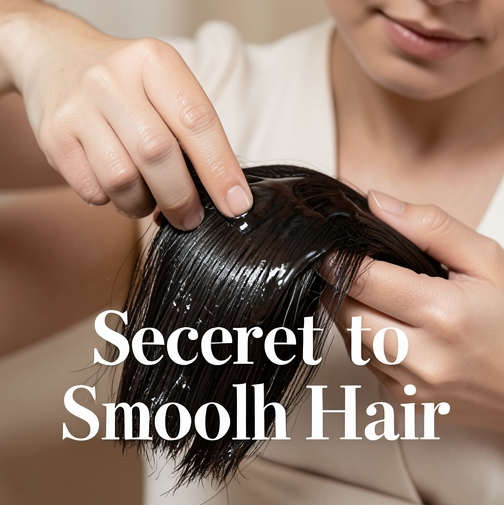
Hair oils help seal moisture and smooth the cuticle. Without them, your hair may look dry and frizzy.
Use a few drops of lightweight oil on your ends daily. Argan or jojoba oil works especially well.
14. Product Buildup
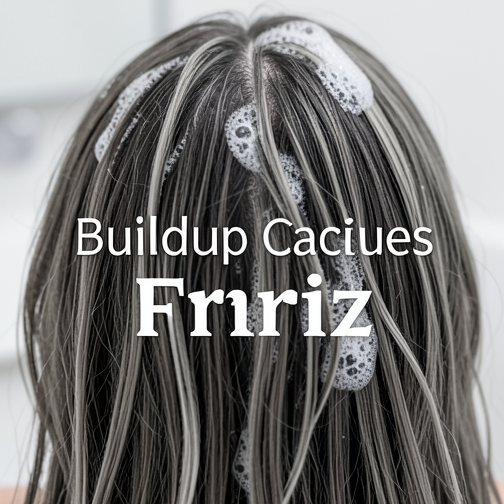
Too many styling products can build up on your scalp and hair, making it dull and frizzy.
Use a clarifying shampoo once every 2–3 weeks to remove buildup and reset your hair.
15. Not Using the Right Styling Products
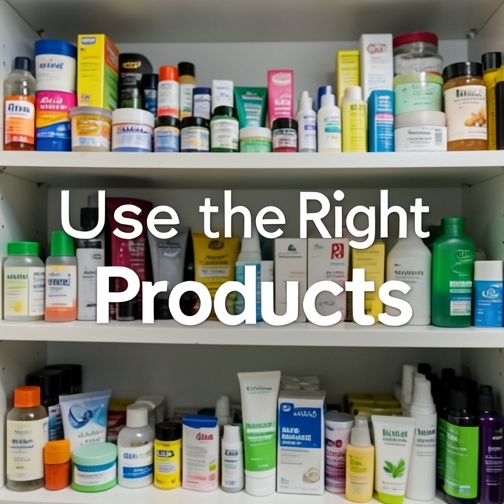
Using products that don’t match your hair type can make frizz worse instead of better.
Choose products specifically designed for your hair texture—curly, wavy, or straight—to get the best results.
16. Hard Water
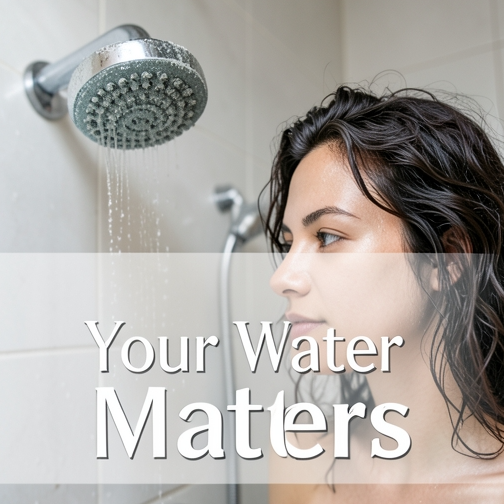
Minerals in hard water can leave residue on your hair, making it rough and frizzy.
Install a shower filter or use a clarifying treatment to remove mineral buildup and restore softness.
17. Overusing Hair Products
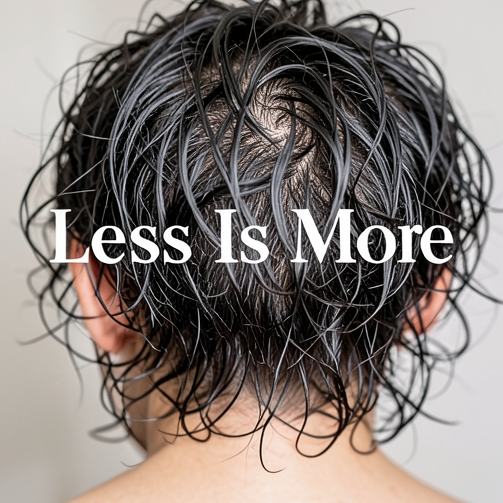
Too much product can weigh your hair down while still leaving it frizzy due to improper absorption.
Use products sparingly and layer them correctly. Start with small amounts and build up only if needed.
18. Not Sealing the Cuticle
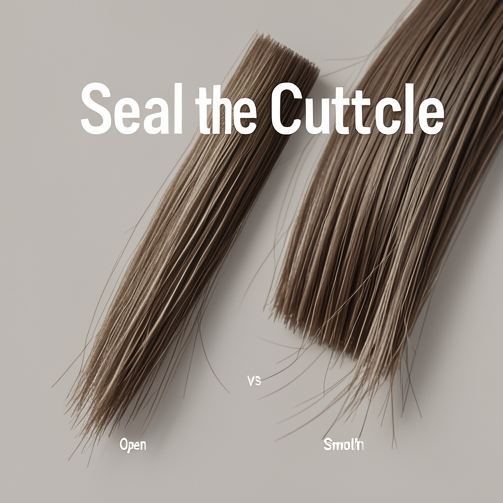
If your hair cuticle stays open, it absorbs moisture from the air and becomes frizzy.
Finish your wash with a cool rinse to help seal the cuticle and boost shine.
19. Environmental Damage
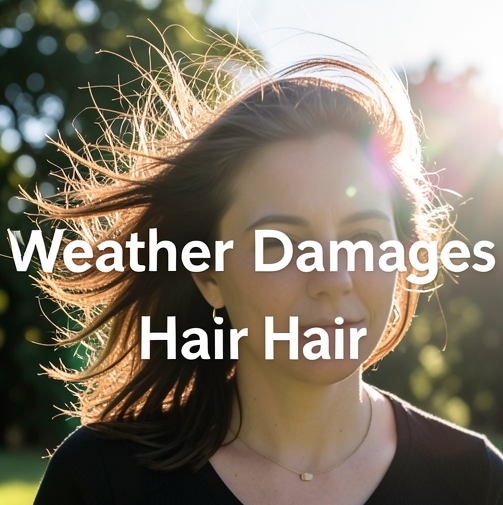
Sun exposure, wind, and pollution can all damage your hair and increase frizz.
Protect your hair with hats, scarves, or UV-protectant sprays when spending time outdoors.
20. Hormonal Changes

Hormonal shifts can affect your hair texture, making it drier and more prone to frizz.
Focus on hydration and nourishing treatments during these times to keep your hair balanced.
21. Using Hot Water
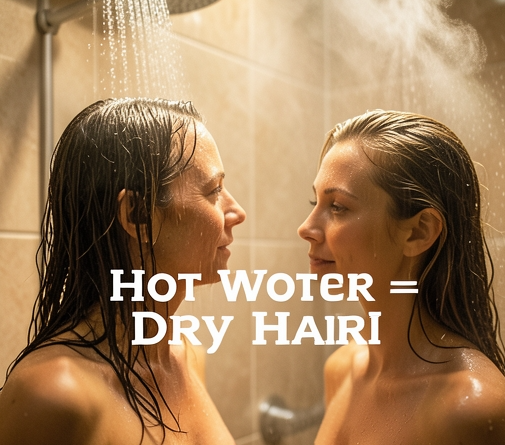
Hot water strips natural oils and leaves your hair dry and frizzy.
Wash your hair with lukewarm water and finish with a cool rinse for best results.
22. Not Deep Conditioning
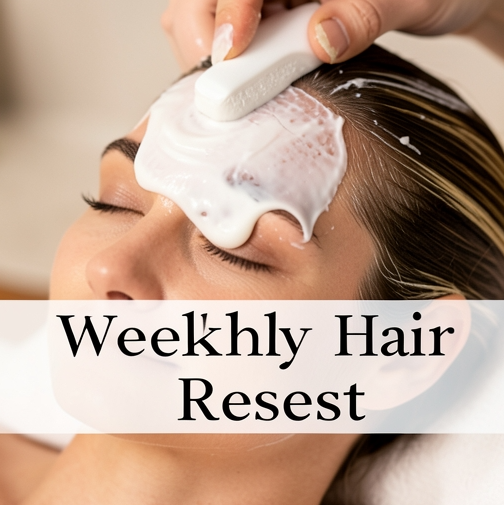
Regular conditioner isn’t always enough to combat dryness and frizz.
Add a deep conditioning mask to your routine once a week for intense hydration and smoother strands.
23. Ignoring Your Natural Hair Texture
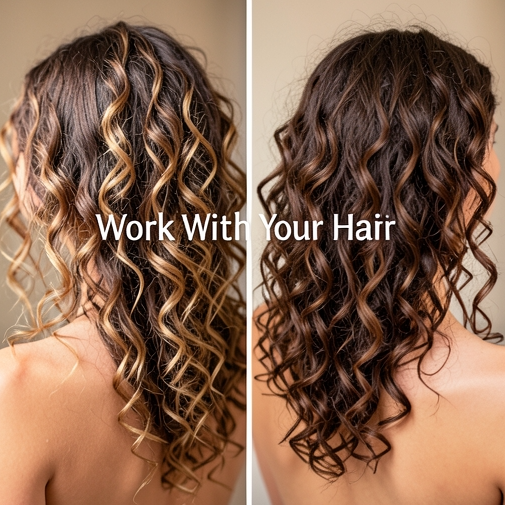
Fighting your natural texture often leads to more frizz instead of less.
Work with your hair, not against it. Use styling techniques and products that enhance your natural pattern for a softer, more polished look.
Final Thoughts
Frizzy hair isn’t random—it’s your hair asking for the right kind of care. Once you identify what’s causing your frizz, small changes in your routine can make a huge difference.
Start with just a few fixes, stay consistent, and you’ll notice smoother, shinier, and healthier hair in no time. ✨
Share this content:
