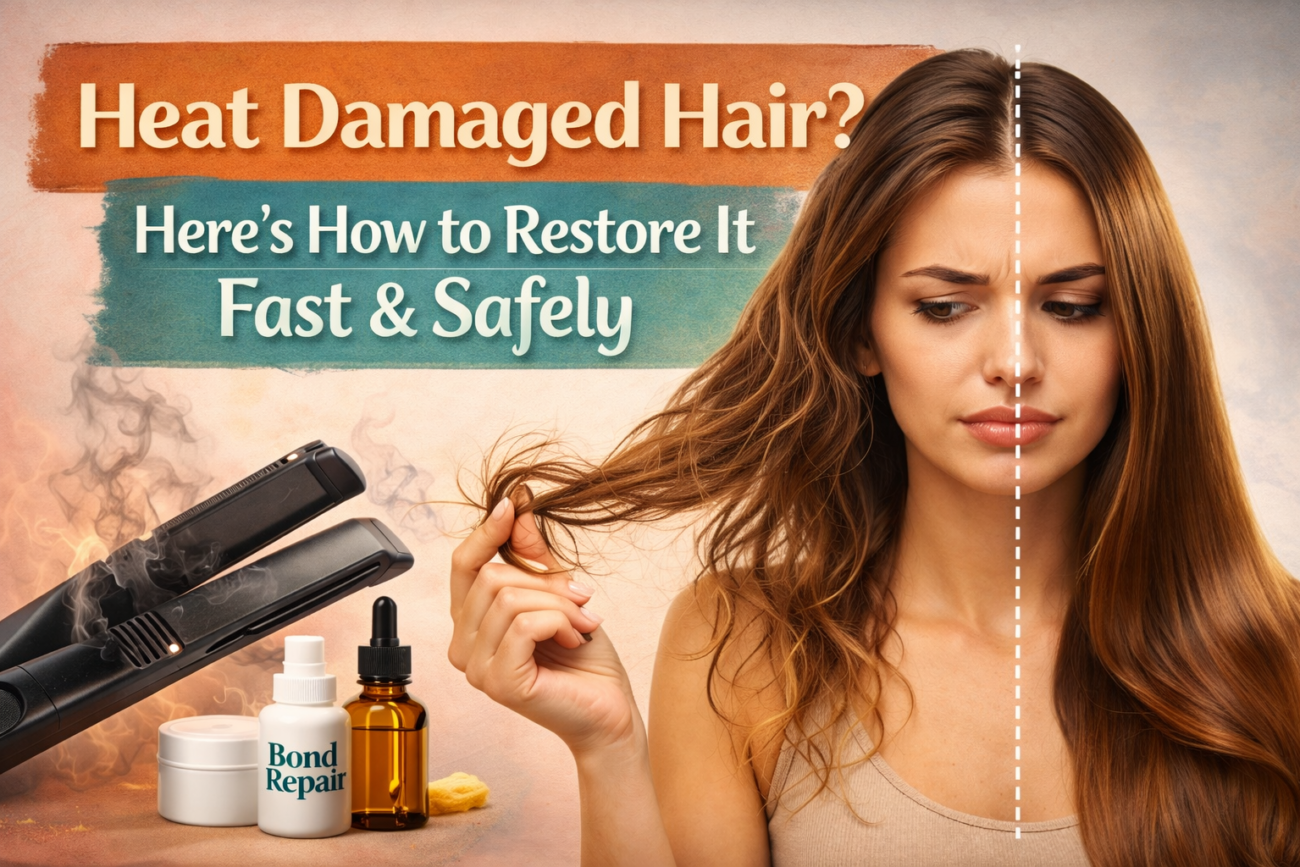
Heat styling tools like flat irons, curling wands, and blow dryers can completely transform your hair—but frequent use can also leave strands dry, brittle, and prone to breakage. When hair becomes heat damaged, the cuticle layer weakens, making it difficult for hair to retain moisture and shine. The good news is that with the right care routine and restorative habits, you can help your hair recover and regain its softness and strength.
Restoring heat damaged hair isn’t about quick fixes alone. It requires nourishing treatments, gentle styling habits, and protective techniques that allow your hair to rebuild over time. These proven tips will help bring life back to stressed strands while keeping your hair healthy and resilient.
1. Pause the Heat Styling
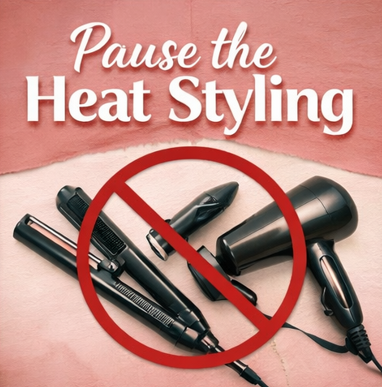
The first step in repairing heat damaged hair is giving it a break from hot tools. Continued exposure to high temperatures prevents hair from recovering and can worsen split ends and dryness. Even a short break from heat styling can help reduce further damage.
Try air-drying your hair whenever possible and embrace natural textures. Loose braids, buns, or heatless curls can help you style your hair without adding more stress to fragile strands.
2. Deep Condition Weekly
Deep conditioning treatments are essential for restoring moisture lost from excessive heat styling. These masks penetrate the hair shaft and help strengthen weakened areas while improving softness and manageability.
Use a rich conditioning mask once or twice a week, focusing on the mid-lengths and ends where damage is most visible. Consistency with deep conditioning can dramatically improve how your hair feels and looks.
3. Trim Split Ends Regularly
Heat damage often leads to split ends, which can travel up the hair shaft if left untreated. Regular trims remove the most damaged sections and prevent further breakage.
You don’t need a dramatic haircut—small trims every 6–8 weeks can keep your hair looking healthier while helping it grow stronger over time.
4. Use a Bond-Repair Treatment
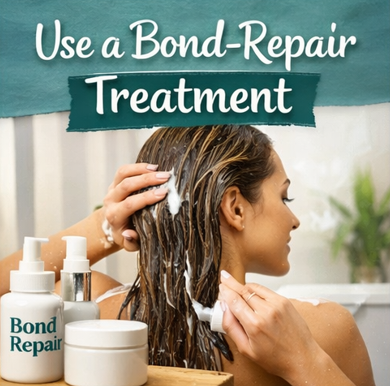
Bond-repair products are designed to rebuild the internal structure of damaged hair. Heat tools break down the bonds that keep hair strong, which is why these treatments can make a noticeable difference.
Incorporating a bond-repair product into your routine can help restore elasticity and resilience. Over time, hair becomes smoother, shinier, and less prone to snapping.
5. Switch to a Sulfate-Free Shampoo
Harsh shampoos can strip away natural oils that damaged hair desperately needs. Sulfate-free formulas are much gentler and help preserve moisture within the hair cuticle.
Look for shampoos with nourishing ingredients like argan oil, keratin, or aloe. These ingredients support hair repair while keeping your scalp clean and balanced.
6. Apply Leave-In Conditioner
Leave-in conditioners provide continuous hydration and protection throughout the day. They help smooth rough cuticles and reduce tangling, which is especially helpful for fragile hair.
A lightweight leave-in product can also make styling easier while protecting your strands from environmental stressors like sun exposure and dry air.
7. Limit Washing Frequency
Overwashing can dry out hair and worsen the effects of heat damage. Washing less frequently allows natural oils to travel down the hair shaft and nourish dry ends.
Try spacing washes every two to three days if possible. In between washes, dry shampoo can help keep your hair looking fresh without stripping away essential moisture.
8. Use Hair Oils for Moisture
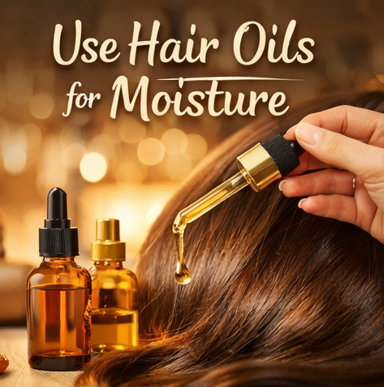
Hair oils are excellent for sealing hydration into damaged strands. Lightweight oils like argan, coconut, or jojoba can smooth frizz and improve shine without weighing hair down.
Apply a small amount to damp or dry hair, focusing on the ends. Over time, consistent use of hair oils can help restore softness and flexibility.
9. Protect Hair Before Styling
If you do use heat tools occasionally, always apply a heat protectant first. These products create a barrier between your hair and high temperatures, reducing the risk of further damage.
Heat protectants also help smooth the hair cuticle, which can result in shinier, more polished styles while keeping your strands safer.
10. Sleep on a Silk Pillowcase
Cotton pillowcases can create friction that worsens hair breakage. Switching to silk or satin pillowcases allows hair to glide smoothly as you sleep.
This small change can make a noticeable difference, especially for fragile or overprocessed hair that is more prone to snapping overnight.
11. Be Gentle When Detangling
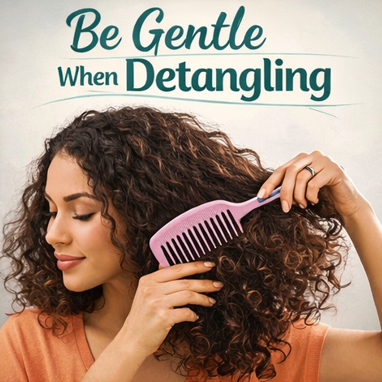
Heat damaged hair is more fragile, so aggressive brushing can lead to breakage. Using a wide-tooth comb or a detangling brush can help reduce stress on your strands.
Start detangling from the ends and slowly work your way upward. This method prevents knots from tightening and minimizes unnecessary pulling.
12. Add Protein Treatments Occasionally
Protein treatments help rebuild weakened areas in the hair shaft. Heat damage can strip away structural proteins, leaving hair limp and weak.
Using a protein treatment every few weeks can help reinforce hair strength and improve elasticity. Just avoid overusing them, as too much protein can make hair stiff.
13. Use Lower Heat Settings
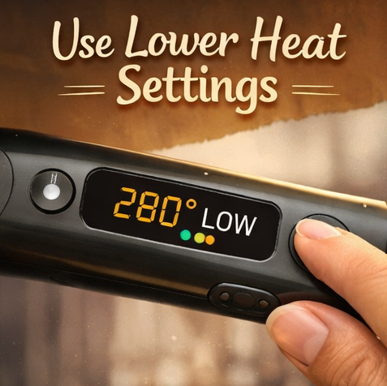
If you can’t completely avoid hot tools, reducing the temperature can help protect your hair from further damage. Many people use higher heat than necessary for styling.
Start with the lowest effective setting and increase only if needed. This simple adjustment can significantly reduce long-term damage.
14. Stay Hydrated and Eat Hair-Friendly Foods
Healthy hair starts from within. Nutrient-rich foods that contain protein, vitamins, and healthy fats support stronger hair growth.
Foods like eggs, nuts, leafy greens, and fish provide nutrients that help hair rebuild and maintain strength while preventing dryness.
15. Try Overnight Hair Masks
Overnight masks provide extended nourishment that regular conditioners can’t always deliver. While you sleep, these treatments deeply hydrate and repair stressed strands.
Apply a nourishing mask before bed and rinse it out in the morning. Your hair will often feel softer, smoother, and easier to manage after just one treatment.
16. Be Patient with the Recovery Process
Repairing heat damaged hair takes time, especially if the damage is severe. Consistent care and gentle styling habits will gradually improve hair health.
Focus on nourishing your strands and avoiding further stress. With patience and the right routine, your hair can regain its strength, shine, and natural beauty.
Share this content:
