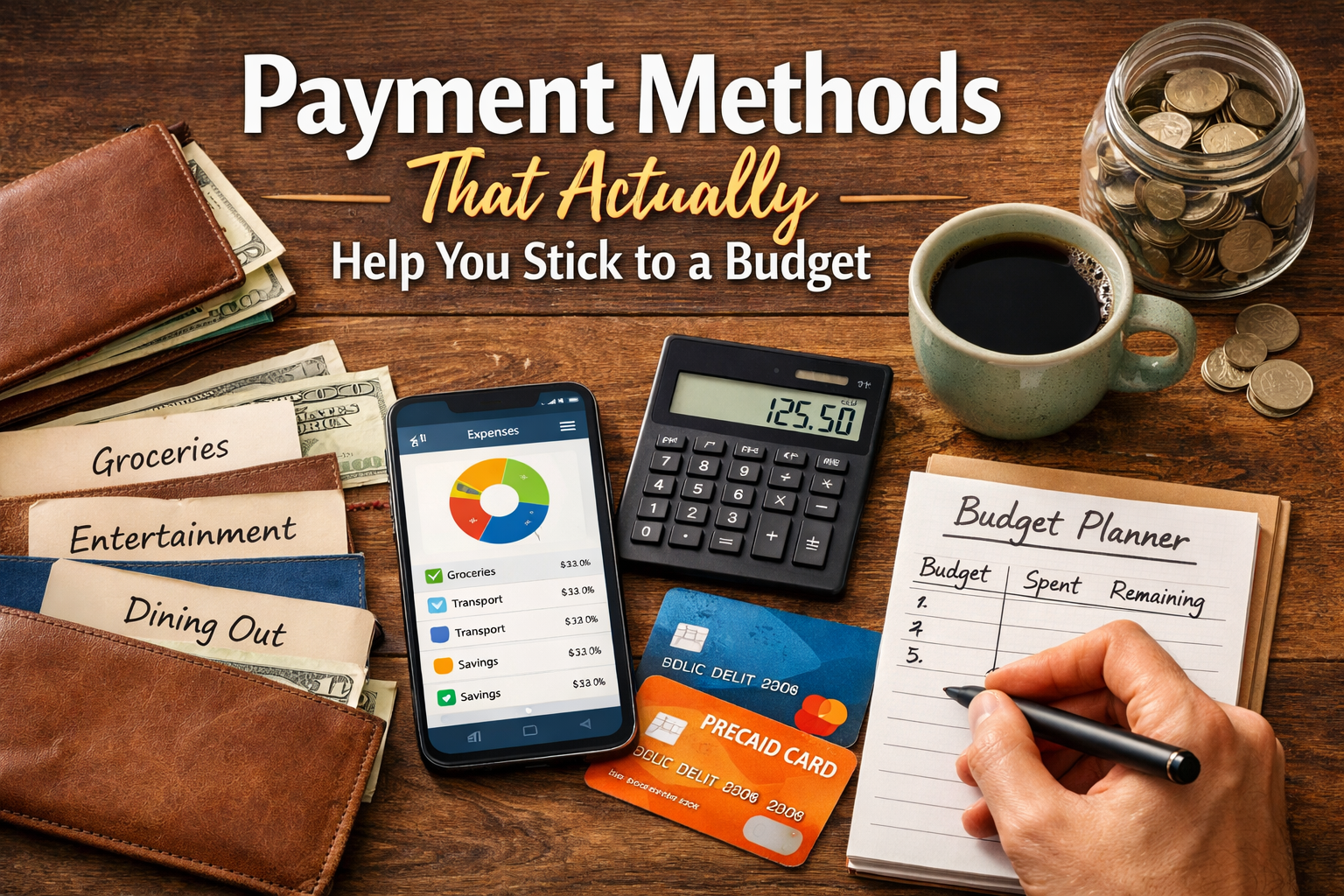
Managing money becomes much easier when you use the right payment method. The way you pay influences your spending habits more than you realize. Some methods create awareness, while others automate discipline, helping you avoid overspending and stay consistent with your financial goals.
If you want to save more, reduce impulse purchases, and finally stick to your budget, choosing smarter payment methods can make a huge difference. These 15 powerful payment strategies are simple, practical, and proven to help you stay in control of your money.
1. Cash Envelope System
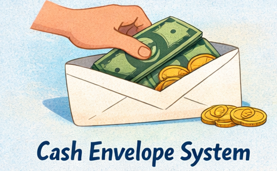
The cash envelope system is one of the most effective ways to control spending because it makes your money physically visible. You divide your cash into envelopes labeled for categories like groceries, shopping, and entertainment. Once an envelope is empty, you stop spending in that category until the next budget cycle.
This method creates instant awareness and prevents overspending. When you physically see your money decreasing, you naturally become more mindful of every purchase. It also eliminates the temptation to overspend using credit or digital payments.
2. Debit Card Only Method
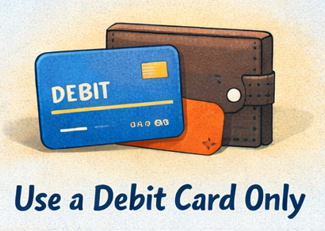
Using only a debit card helps you spend money you actually have, instead of borrowing from your future. Since debit cards pull directly from your bank account, you are limited to your available balance, which naturally keeps your spending in check.
This method builds discipline and prevents debt accumulation. It also allows you to track transactions easily through your bank app, helping you stay aware of your spending patterns and make better financial decisions.
3. Prepaid Debit Cards
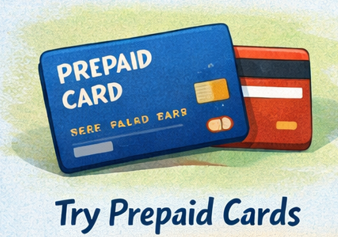
Prepaid debit cards allow you to load a fixed amount of money and spend only what’s available on the card. This creates a built-in spending limit and prevents overspending because you cannot exceed the loaded balance.
This method works especially well for discretionary spending like shopping, dining, or entertainment. It helps you separate your main income from your spending money, making budgeting simpler and more controlled.
Also Read: 21 Money Saving Tricks to Save $1,000 a Month (Challenge Included)
4. Separate Bank Accounts for Bills
Keeping a separate bank account dedicated only to bills ensures that essential expenses are always covered. You deposit money into this account specifically for rent, utilities, subscriptions, and other fixed costs.
This system removes stress and prevents accidental spending of bill money. It also creates a clear structure, helping you understand exactly how much money is available for flexible spending.
5. Automatic Bill Payments
Automatic bill payments help you avoid late fees and missed payments. Once set up, your bills are paid automatically from your account on scheduled dates, ensuring consistency and reliability.
This method also simplifies budgeting because your essential expenses are handled first. It reduces mental load and allows you to focus on managing your remaining money wisely.
6. Cash-Only for Problem Categories
If you tend to overspend in certain categories like dining out or shopping, switching to cash-only for those categories can make a huge difference. Cash limits your spending and makes you more intentional.
This method creates a natural boundary and prevents impulse purchases. Once the cash runs out, you stop spending, helping you stay aligned with your budget.
7. Digital Wallet with Spending Limits
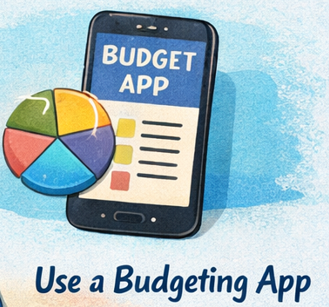
Digital wallets allow you to track spending instantly and set limits. Many apps provide notifications and real-time balance updates, helping you stay aware of every transaction.
This method adds convenience while maintaining control. It helps prevent overspending because you can monitor your financial activity at any time.
8. Credit Card for Fixed Expenses Only
Using a credit card only for fixed expenses like subscriptions or utilities can help you maintain control while building credit. Since these expenses are predictable, they are easier to manage.
This method prevents random spending while still allowing you to benefit from rewards or credit building. Paying off the balance monthly ensures you avoid debt.
9. Weekly Cash Withdrawals
Withdrawing a fixed amount of cash weekly helps you limit your spending to a specific timeframe. This prevents you from spending your entire monthly budget too quickly.
It also creates a consistent rhythm and helps you stay mindful of your spending. Weekly limits make budgeting feel more manageable and less overwhelming.
10. No-Card Carrying Method
Leaving your cards at home and carrying only cash can prevent impulse purchases. Without easy access to cards, you are less likely to make unnecessary spending decisions.
This method creates intentional spending habits. It forces you to think carefully before making purchases, helping you stick to your financial plan.
11. Bill-Paying Account Automation
Automating transfers into a bill-paying account ensures your essential expenses are always covered. This separates your spending money from your responsibilities.
It also reduces stress and prevents financial mistakes. You always know your bills are handled, allowing you to focus on saving and spending wisely.
12. Savings-First Payment Method
With this method, you move money into savings immediately after receiving income. This ensures saving becomes a priority instead of an afterthought.
It builds strong financial habits and helps your savings grow consistently. You learn to live on the remaining money instead of spending everything first.
13. Pre-Planned Spending Cards
Pre-planned spending cards are loaded with money specifically for planned purchases. This creates structure and prevents random spending.
This method helps you stay organized and intentional. It also ensures your spending aligns with your budget goals.
14. Manual Payment Tracking Method
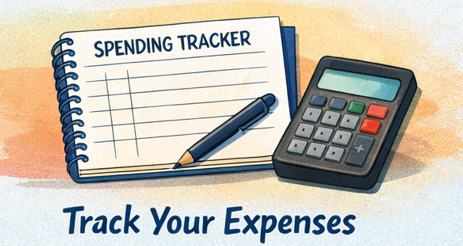
Manually tracking payments in a notebook or app increases awareness. Writing down expenses helps you understand exactly where your money goes.
This method improves accountability and encourages better spending decisions. Awareness alone can significantly reduce unnecessary spending.
15. 24-Hour Delay Payment Rule
Waiting 24 hours before making non-essential purchases helps reduce impulse spending. This gives you time to evaluate whether the purchase is truly necessary.
This method builds discipline and prevents emotional spending. Often, the urge to buy disappears, helping you save more money.
Final Thoughts
The payment method you choose can directly impact your ability to stick to a budget. Simple changes like using cash, separating accounts, or automating payments can create powerful financial discipline without making your life harder.
Start by choosing one or two methods that fit your lifestyle. Over time, these small changes will help you gain control, reduce stress, and build lasting financial stability.
Share this content:
